
Trade Mark Non-Use – Part of the Mark (04-Feb-2019)
A Case of Non-Use?
Based on a recent trade mark case, what or what does not constitute non-use of a registered trade mark can be a bit tricky to determine.
Let us have a look at the case of Sumol+Compal Marcas, S.A. v Sumo IP Holdings Pty Ltd [2018] ATMO 166.
Facts of the Case
Sumo had sought the removal of the registration of the mark below (SUMOL PORTUGAL) on the basis of non-use.

Sumo, the Removal Applicant, nominated the ground under s 92(4)(b) of the Trade Marks Act, which stated in part that a non-use application may be made on the ground that ‘that the trade mark has remained registered for a continuous period of 3 years ending one month before the day on which the non-use application is filed’.
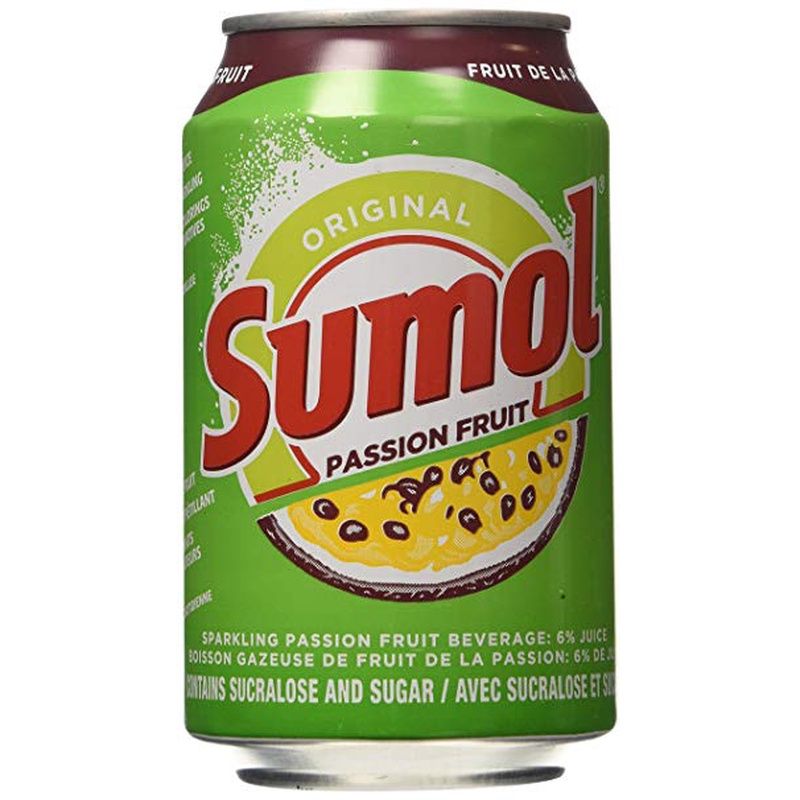
In its defense, Sumol filed evidence of use of a stylised version of the word mark SUMOL on beverage packaging and use of SUMOL PINEAPPLE, SUMOL ORANGE and SUMOL PASSIONFRUIT (see images below) on invoices relating to the registered ‘coolers and fruit juices’ goods (Class 32).
Importantly the trade marks used did not include the word ‘PORTUGAL’.


Sumo argued that Sumol could not rely on that use as the marks as used were too different (i.e. not substantially identical) when compared to its registered trade mark.
Analysis
The Hearing Officer that handled the case did not agree with Sumo, stating that although ‘when viewed side by side, there are noticeable differences between the compared marks … the differences in this case may not necessarily preclude the marks from being substantially identical’.
The Hearing Office cited Accor Australia & New Zealand Hospitality Pty Ltd v Liv Pty Ltd (‘Accor’) [2017] FCAFC 56, where the ‘Full Federal Court had found HARBOUR LIGHTS as an element of the composite mark to be “the dominant cognitive cue” as it was “the words, or mechanism by which, a person seeking out the services will recognise a way of connecting with the person providing the services in the course of trade.’
In our opinion, however, the Accor case is distinguished for the reason that the case concerned the use of the expression HARBOUR LIGHTS in a composite mark.
Decision
Upon looking at the total impression of resemblance between the registered mark and the marks as used, the Hearing Officer found that the word SUMOL was the ‘striking and distinctive element in each mark’.
Sumol successfully overcame Sumo’s allegation of non-use by establishing use of the registered mark, with additions or alterations that did not substantially affect its identity during the relevant non-use period.
Sources:
http://www.austlii.edu.au/cgi-bin/viewdoc/au/cases/cth/ATMO/2018/166.html
https://www.lexology.com/library/detail.aspx?g=74f14bb5-a87e-441d-875f-3263cea17d84
http://www.austlii.edu.au/cgi-bin/sinodisp/au/cases/cth/FCAFC/2017/56.html
Author: Eric Badong